
the gap or the gain, marshmallow, npc’s.
Jun 02, 2026
Hi 👋, welcome back to our 40th edition 🙌.
“Courage is what it takes to stand up and speak; courage is also what it takes to sit down and listen”.
Churchill
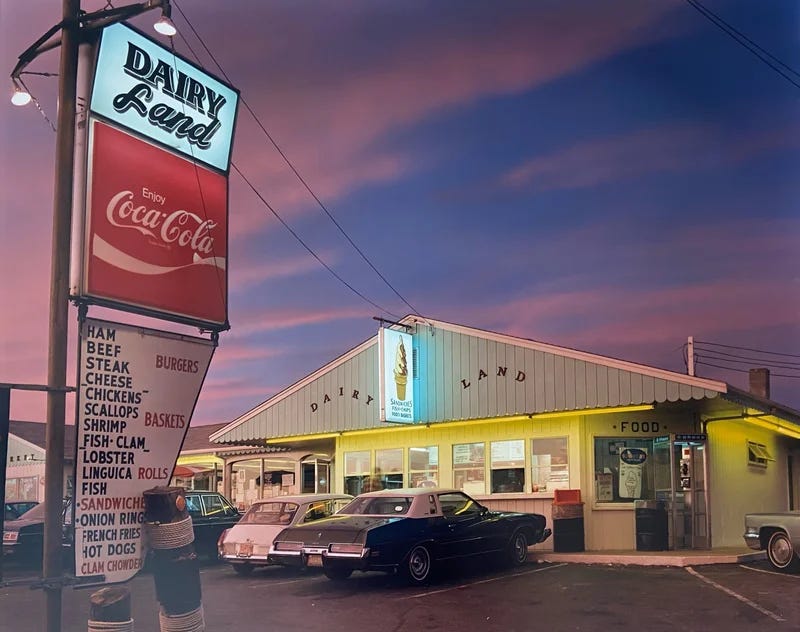
Leadership: the gap or the gain.
Do you ever feel like you’re stuck in a gap? Always stretching. Never reaching. In their book, The Gap and The Gain, Dan Sullivan and Dr. Benjamin Hardy explain how we have ideal outcomes (our aspirations), and we have where we are now (our situations). Many of us get stuck in “the gap”. We see only the gap between where we are, and the ultimate goal. And depending on the size of the gap, it can feel disappointing and deflating. If we zoom out, though, and see how far we’ve come from the original goal, we get to see “the gain”. Which is (obviously) far more positive. And where we should spend more time. People who see gains more than gaps (as researched), enjoy more life satisfaction, more confidence, and have better resilience. But we live in a gap culture. With ever moving targets. And it’s hard to keep perspective. We need to remember, as the book says, “Your gain is measurable. Your gap is imaginary.”
A thought for leaders: It’s getting harder and harder to maintain team and personal morale. But as Wayne Dyer said, “when we change the way we look at things, the things we look at change”. This book has three key ways we can change the way we look at progress. Firstly, happiness comes from measuring backwards, not forwards (progress creates confidence). Secondly, your identity shapes your future more than your goals (it’s never just hit or miss). And thirdly, gratitude and reflection are performance tools, not just feelings (we perform better when we feel progress, not just a lacking).
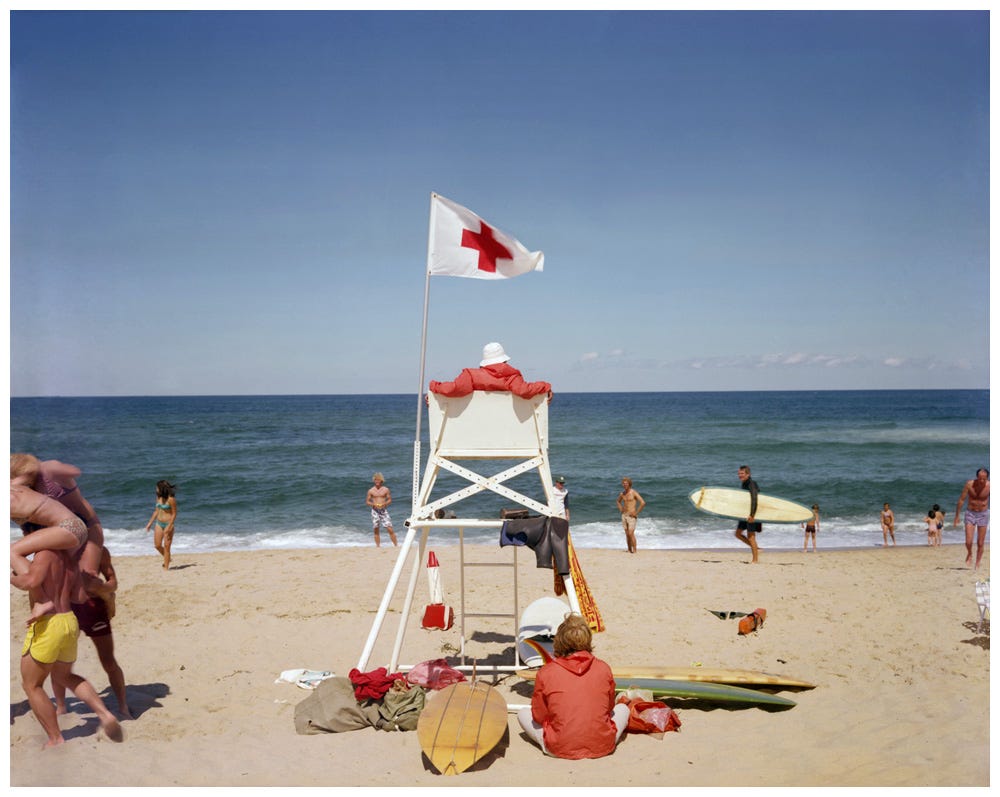
Performance: marshmallow.
In the famous Stanford Marshmallow Test, a child sits in a room with a marshmallow. They’re told you can eat it now, or wait and get two. Studies have shown, that the kids that could defer gratification, outperformed those that couldn’t. Self control, they found, was a powerful lever for success in life. Makes sense right? Well subsequent studies revealed something else as Martyn Newman explains. In these studies children experienced two different environments prior to the test. One where the adults kept their promises. Another where they didn’t. Then they ran the marshmallow experiment. And bingo. Where trust didn’t exist, they ate the marshmallow immediately. Where the children trusted the adults, they waited far longer. And, a further study found that if the reward was linked to others (eat one now or wait and everyone in the group gets one), they waited longer still.
A thought for leaders: Discipline is an important part of performance. But trust and social support are equally so. Looking at your own organisation or team, is performance driven by discipline, or by trust and support? As Martyn writes, “when people trust the system, they think longer-term. They collaborate more openly. They invest in outcomes beyond themselves”. In a world of never ending uncertainty and chaos, your role in creating an environment of trust and support, is more important than ever.
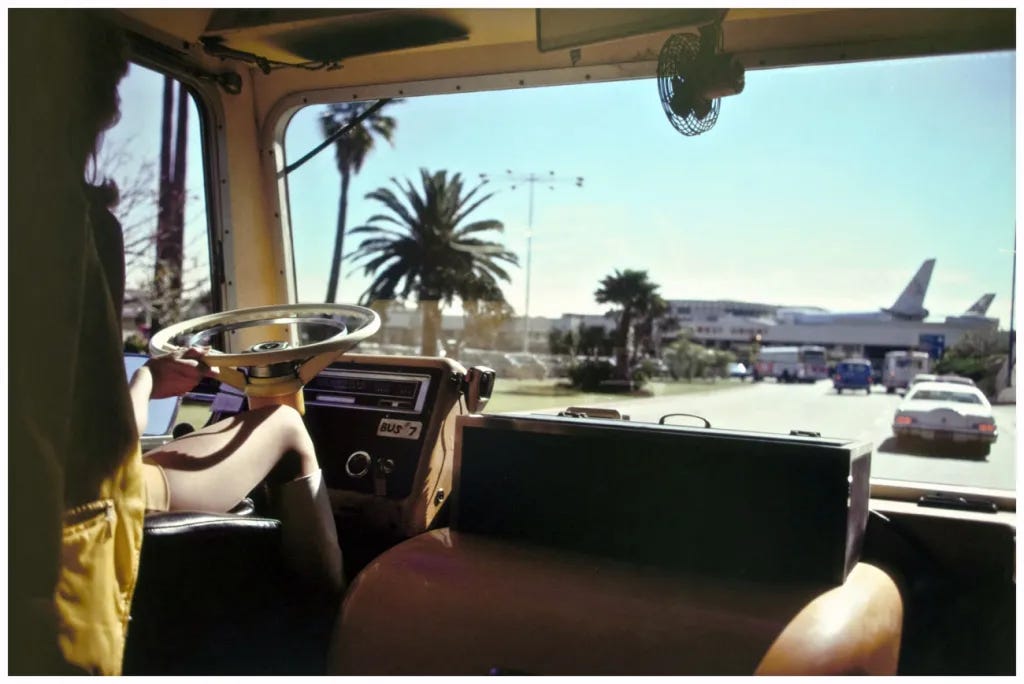
Culture: npc’s.
The loneliness epidemic is rolling on. It’s rife in the workplace too. Allison Pugh wrote about The Unseen, and the depersonalisation of work. She argues that the big workplace problem isn’t loneliness in the traditional sense, but rather people feeling profoundly invisible. A result, she says, of the depersonalisation of work. As she says what’s missing is “‘recognition’, ‘mattering’ or ‘being seen’ – the notion that you are seen and heard, even emotionally understood, by the people around you, as opposed to feeling insignificant or invisible”. Bruce Daisley also talked about it in “work made me an NPC”. He highlights a tracking study running since 1992 which found that the amount of workers who feel they have agency over their jobs has almost halved. Many feel like non-player characters, with fixed scripts, no influence on the plot, and a sense that they are just running through a series of repetitive loops.
A thought for leaders: Daniel Pink’s seminal book Drive, outlines Autonomy, Mastery and Purpose as key to workplace happiness. But if we feel like NPC’s at work, it’s game over. Gallup’s workplace engagement rate currently sits at only 10% (14% are actively disengaged). So clearly, something needs to be done. Bruce suggests one solution is to think more actively about agency. How can we gift more of it to people, and teams? And how can that agency, allow people to connect more, feel appreciated, and feel seen? Maybe then, they’ll feel more like players than non-players.

Podcast: EP 12: Motivation in Chaos Part 1
We’ve included EP 12: Motivation in Chaos, where Ian explores what really drives people when uncertainty is high.
Using David Rock’s SCARF model, he unpacks the human needs that underpin motivation, trust and engagement, making it particularly relevant to this month’s themes of the gain, trust, and helping people feel like active participants rather than NPCs in their own organisations.
A timely reminder that great leadership starts with understanding what people need most.
This is part one of a three-part mini-series.
You can listen to it here.
You can follow Flow Group on LinkedIn here.
Hope you enjoyed, and please share your thoughts in the comments section below.
P.S. This month’s featured artist is the legendary American street, portrait, and landscape photographer Joel Meyerowitz. He played a fundamental role in establishing colour photography as a respected fine art. At a time when the art world considered monochrome superior, he famously asked, “But why? When the world is in color”. His work, which also documented the United States’ ever-changing social landscape, has impacted and influenced generations of artists.