Leadership in Chaos: 33rd edition.
space and time, generation numb, mediocre voices.
“Do not wait to strike till the iron is hot; but make it hot by striking.”
William Butler Yeats

Culture: space and time.
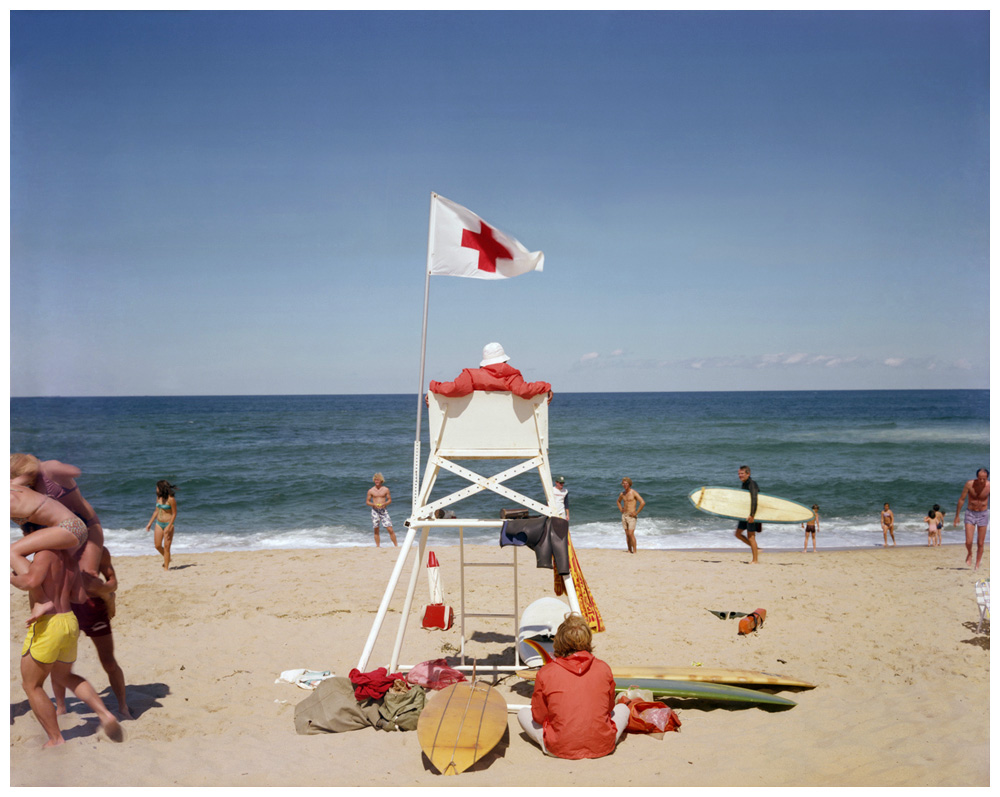
When we think of Space and Time, we often think of them together. How they centre, and orient us (spatial and temporal awareness). Or what we might achieve, if only we had a little more of either of them. Which is why these two posts were interesting. Firstly, Ian Sanders shared his thoughts on spaciousness, what it means to him, and a link to a report on Spaciousness. Our culture of pathological busyness, puts little value on spaciousness. And yet, “without space, we can only see and think narrowly. If we cannot see and think more expansively, we cannot make wise choices. Without wiser choices, we cannot change let alone transform”. Which brings us to time, and Dr Dale Whelehan’s post on Time, and how we should think about it. Time reveals whose needs are honoured, and whose aren’t. So unless we think of our time as valuable currency, we’ll end up spending it carelessly. Doing things we don’t care about, with time that we do.
A thought for leaders: Respecting Space and Time, and providing them for you and others, is a huge part of a balanced healthy life. With space and time, we’re able to think, breath, and gain perspective. We improve our well being, and our capacity to think clearly, and see further. With Space and Time, we re-charge, replenish and re-kindle. Without them, we are reduced. Great leaders recognise the importance of Space and Time for themselves, and their teams. Do you?
Team: generation numb.
A lot of people are feeling the heaviness, and the seriousness of now. Many feel like the world is starved of creativity. Workplaces are plagued with presenteeism, or chronic workplace loneliness (1 in 5 in the UK). Some are saying this (along with digital saturation and global unrest) has created a detached, cynical, overwhelmed and exhausted workforce: Generation Numb. They long for connection, and are hunting for a renewed sense of identity at work. In this report, they identified the fixes as: meeting personal priorities (me), restoring connection (us), and breaking through the apathy by energising work again (it). Another issue is the decline of the office. Once a place of pride, for shared identity and meaning, for many the office has become a chore, and a bore. All of this begs the bigger question: how do we make work fun again?
A thought for leaders: Great leaders design great workplaces. This study by Jens Förster demonstrates how important that design can be. The study had two rooms. One decorated with neat, ordinary, symmetrical images. The other with strange, broken, surprising patterns. Participants were split, and given a creativity task (uses for a paperclip). No surpises, the weird image room scored much higher on creativity. It shows the importance of workplace design. So, faced with things like numbing, (and creative scarcity), can you design a better workplace that helps make work fun again?

Change: mediocre voices.
There’s an ongoing elephant in the room. Many mediocre men, talk over capable women. This might feel intuitively right (or wrong, depending on your perspective) but a recent study of problem-solving teams proved conclusively that men dominate the conversation. Men take 50% more turns and say 69% more things than women. Men with low skill speak more than women with high skill. As Adam Grant said, it’s long past time to value competence over confidence. Cindy Gallop, shared a quote from Tomas Chamorro-Premuzic’s HBR article Why Do So Many Incompetent Men Become Leaders?, where he says, “There is no denying that women’s path to leadership is paved with many barriers. But a much bigger problem is the lack of barriers for incompetent men”. Which is why it’s essential for leaders to always level the field.
A thought for leaders: It’s easier to listen to the loudest voice. It might even feel efficient. But once our head is turned, it’s hard to turn it back. Great leaders need to make sure they’re listening to the smartest, not the loudest voice. Great leaders need to value competence, over confidence. And great leaders need to give people the space and time to be heard. Otherwise, as Yeats said, your best will continue to lack all conviction, and your worst will remain full of passionate intensity.
Podcast: EP 22: Listening in Chaos
We’ve included this episode because it relates to the Generation Numb piece above. It explores how listening skills can create meaning and connection.
You can listen to it here.
Enjoy revisiting or newly discovering it 😊
You can follow Flow Group on LinkedIn here.
Hope you enjoyed, and please share your thoughts in the comments section below.
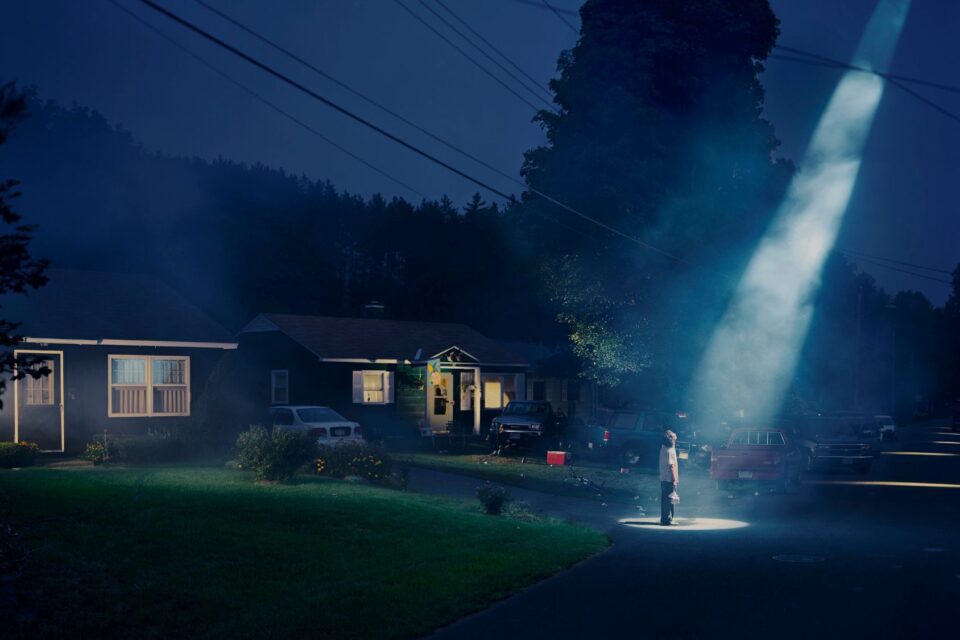
P.S. This month’s featured artist is Gregory Crewdson (b. 1962). He has a distinct style: eerie, psychological, voyeuristic shots of suburban America. He’s inspired by the visual language of cinema, condensing the plot of an entire film into an instant. He describes his detailed photographs as “single frame movies.” You’d be forgiven for thinking they’d been plucked straight from a David Lynch project. Crewdson’s scenes are deliberately ambiguous, offering no clear context or resolution.